
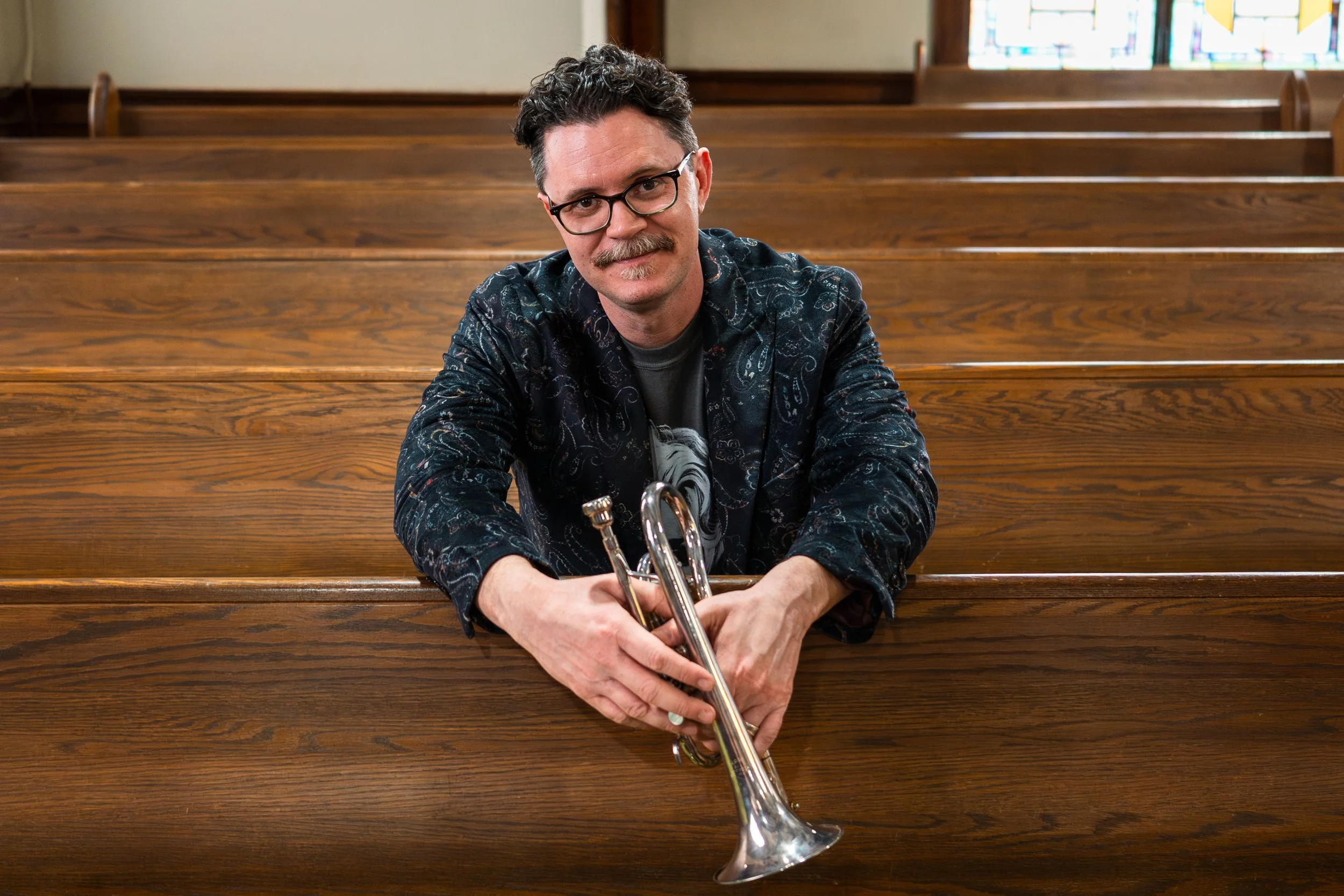
Matt White – FYC
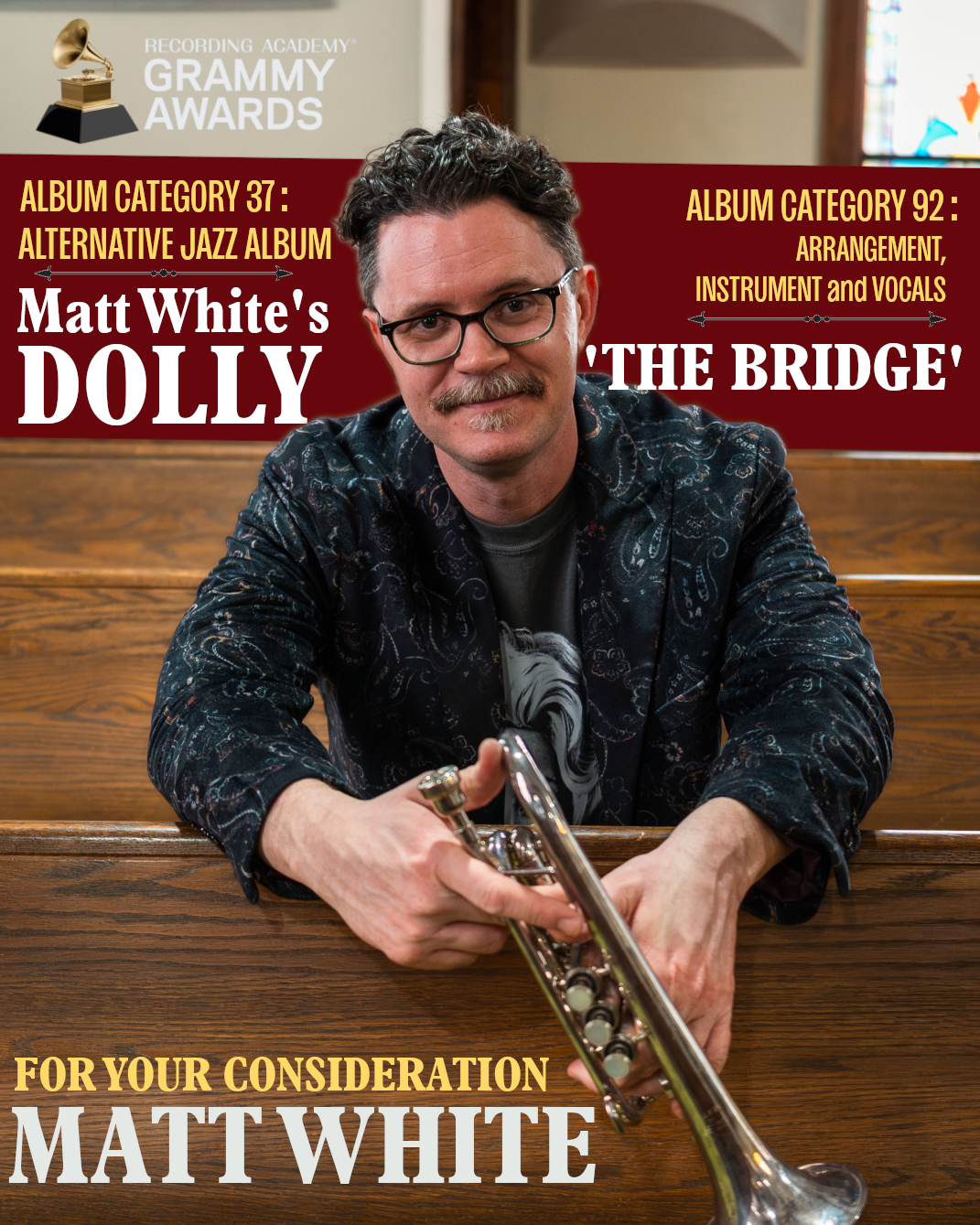
FOR YOUR CONSIDERATION
Please consider Matt White’s Dolly in category 37. Best Alternative Jazz Album and ‘The Bridge’ in category 92. Best Arrangement, Instruments and Vocals
Listening links:
All-Stars Convene for Dolly Parton Tribute Matt White’s Dolly
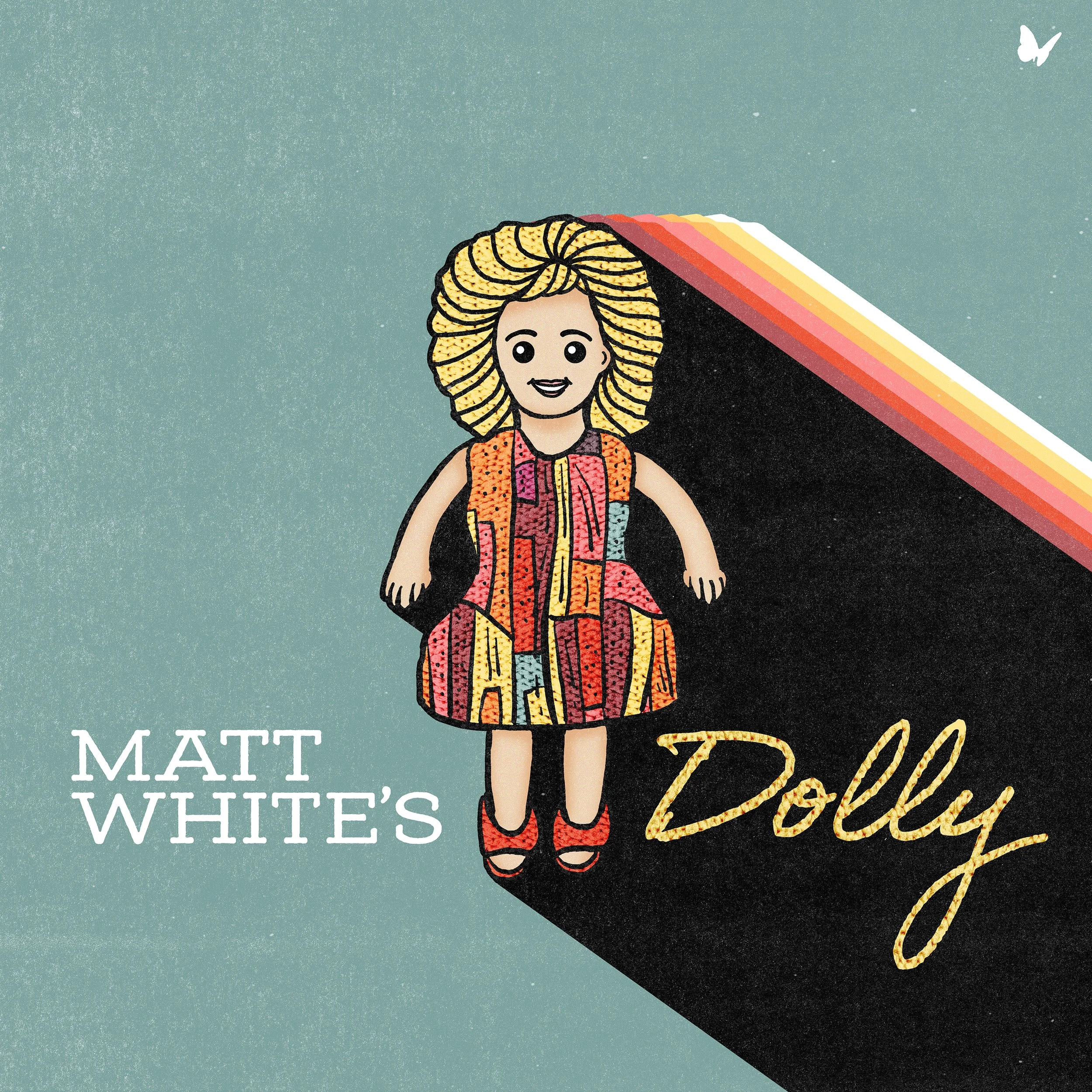
Adhyâropa Records is thrilled to announce Matt White’s Dolly (ÂR00127), the new album by trumpet virtuoso and arranger Matt White.
White: “For most of my life, I was only aware of Dolly as the cultural icon - the hit songs, 9-to-5, and of course her philanthropy work as our greatest living American. I knew she was immensely talented (and wrote hits for other people), but I was largely unaware of her early work. While writing the music for Lowcountry (my 2023 Guggenheim Fellowship album featuring the songs and oral histories of Gullah Elders), I was up late on Youtube listening to tambourine solos by singer Bessie Jones when I spotted a suggested video of Dolly performing her song ‘The Bridge.’
In the video Porter Wagoner introduces a very young Dolly, “well now we’re going to bring up Miss Dolly Parton to sing just about the prettiest song you’ve ever heard.” Dolly, performing solo with only her guitar, sings a song about a
woman falling in love, with the major moments of the affair all occurring on a bridge. The final verse turns as she reveals that she’s now alone on the bridge with her unborn child, left by her lover. She sings the final line: “My feet are moving slowly, closer to the edge. Here is where it started, and here is where I’ll end it.”
This “pretty little song” was sung live on television in the mid 1960’s.
Dolly was strumming a 3-3-2 rhythm on her guitar - the ground rhythm from Africa, found in the ring shout, and still clapped and stomped in “shouting songs” in Gullah communities right here in South Carolina. As a musician in the American South, a focus of my academic work has been examining the connections in southern folk traditions. The banjo is an African instrument. Appalachian musical traditions are connected more to spirituals and shouting songs than people realize.
I went on a deep dive of Dolly’s early albums and reached out to vocalist Liz Kelley, one of my favorite musicians and former students. I asked if she would be into the concept of deconstructing and reimagining Dolly’s songs. We came up with a song list and a set of rules: we would keep the vocal melodies and lyrics the same, we’d keep Dolly’s original keys, and all of her modulations. Everything else was open to change. With the guidelines in place, I got to work and wrote all the arrangements of this album in about two weeks.
At the time, I was writing some original music for organ quintet and I was interested in the timbral qualities of the organ and how unlike a bass or piano, it can have unlimited sustain. A few weeks before the session, I bought a cornet on a whim and decided to play cornet on the project as I thought it might have different potential to blend with voice, guitar, and the organ.
The music sat unplayed and unrecorded for about a year until I received a South Carolina Arts Commission Project Grant to partially fund the recording, so I got to work scheduling the session. Later that year I was also selected as South Carolina’s Music Composition Fellow.
The band is a blend of people that have come into my life since moving to South Carolina as students/collaborators and coworkers who have become musical colleagues. Demetrius Doctor (organ) is a former student all the way back to my Nashville days, and brings not only brilliance as a jazz musician, but is well-versed and comfortable in virtually every musical setting. Tim Fischer (guitar) is one of my best friends and former colleague at my last teaching gig. Because he’s such a great friend, I can torment him with really difficult guitar parts! Colleen Clark (drums) is my current colleague at USC and one of the most thoughtful and prepared musicians I’ve ever met. Cynthea Kelley (Liz’s sister) is also a former student and a brilliant engineer (not to mention guitarist, vocalist, and composer), so she both recorded and mixed the album.
We recorded the project in two days in Myrtle Beach, using the studio of my mentor, bassist Steve Bailey. We recorded on vintage gear with only Liz and Colleen isolated, and never more than 3-4 takes per song (often less). It was a joyful session and with the band staying at a nearby beach house, a great hang.”