
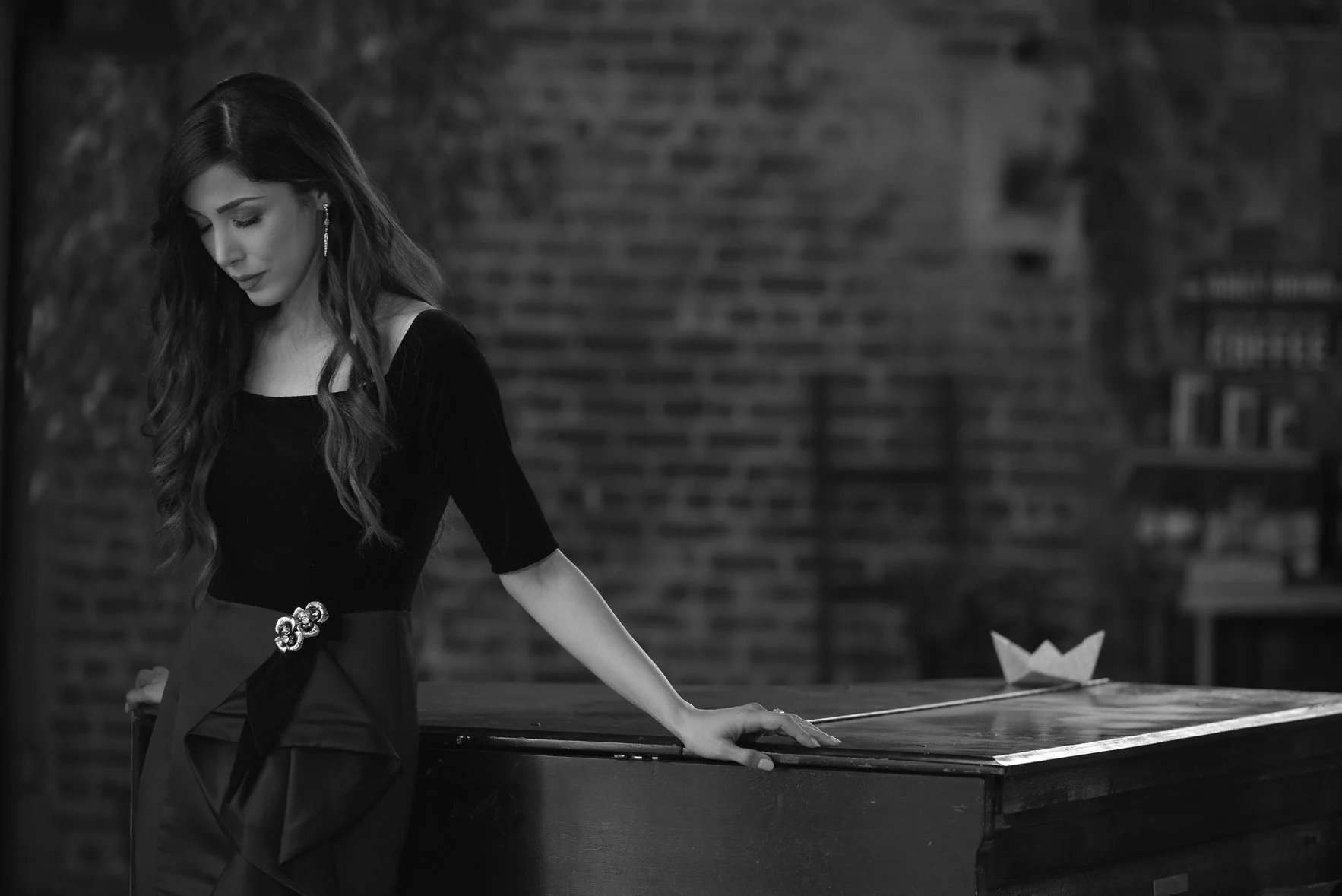
Bahar Movahed – FYC

FOR YOUR CONSIDERATION
Please consider Together Yet Alone by Bahar Movahed in Album Category 70: Best Global Music Album.
Listening links:
BAHAR MOVAHED Releases Together Yet Alone In Defiance of Iran’s Restrictions on Female Singers
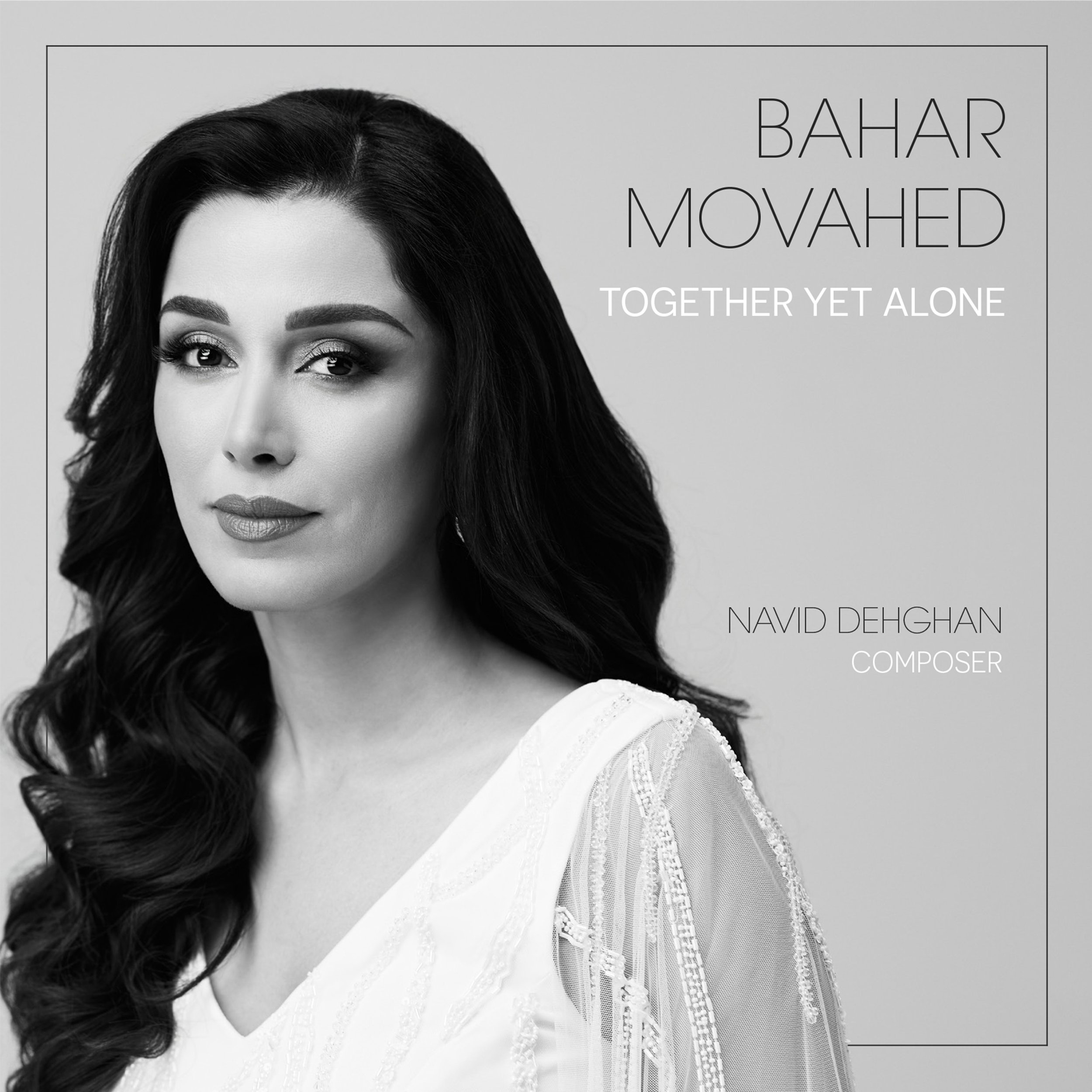
“My heart has never left Iran. In these breathtaking and heart-wrenching days, while my body lives far from its soil, my heartbeat still echoes there, in its streets, in its voices, in the courage of its people. Like so many in the diaspora, I live in a space of deep contradiction: together in spirit, yet alone in distance. This pain, this longing, and this quiet resilience are woven into my music. Together Yet Alone was born from that very place, the shared sorrow and shared hope of a people whose hearts beat as one, even when separated by borders and silence. And still I believe: that this long night will pass, that light will return, and that Iran’s beauty, dignity, and voice will rise again.”–Bahar Movahed
Bahar Movahed’s new album Together Yet Alone is a unique and beguiling project, in terms of both purely musical values and backstory. The Iranian-born and now California-based singer, releasing her first album since the acclaimed 2012 album Goblet of Eternal Light, has created a passionate and unprecedented ode to her Persian classical roots, with great reverence for the ancient radif tradition and in resourceful defiance of Iran's restrictions on female singers in public.
Special circumstances allowed for the album to materialize, including the long-distance California/Tehran collaboration and her fateful partnership with respected Iranian composer Navid Dehghan, one of the most respected classical musicians and composers in Iran. During the COVID-19 lockdown, Movahed carefully crafted new music over a year of rehearsals with Dehghan through WhatsApp, flying to Tehran in November of 2021 for three days in the studio with his accomplished 14-piece Ghamar Ensemble.
Goblet of Eternal Light was recorded with the master Kurdish tanbour musician Ali Akbar Moradi back in Iran, released only after Movahed migrated to the United States in 2010. Although the album was well-received by critics and listeners, she clarifies that “my first album was in Kurdish, but this is my first solo album in Farsi, my own language. I really wanted to showcase what I learned during the last 20 years.
“You want to still show all the emotion and the spiritual journey of this music and you want to transfer that message. That’s what the whole ensemble and Navid have been trained for and also have been striving to do. They're trying hard to keep this music alive.”
Movahed, who studied with revered vocalists Parissa, Shahram Nazeri, Hamid Reza Noorbakhsh and the legendary Mohammad Reza Shajarian in her early years in Tehran, is presently an orthodontist by day, in Orange County, California. Creative talents include playing piano, the Kurdish tanbour and various instruments, and a visual arts sideline as a gifted caricaturist. But her deepest love remains classical Persian music, a pursuit she devotedly worked at, and found herself thwarted in, while in Iran.
As Movahed explains, “I'm one of thousands of women whose passion is singing, but they are silenced. The love was so big that I just kept learning, knowing that, in Iran, you could perform only as long as you were a backing vocal or you sang in a way in which men's voices were basically blocking your voice. That was not my ideal. That was not what I was learning the music for.
“This music is so fulfilling and it's so spiritual and soulful to me. Sometimes they say love doesn’t save you, but art does.”
After completing her dental studies and establishing herself in California, Movahed performed some in the U.S. But she mostly kept her deeper musical ambitions in check, until the urge to explore those ambitions turned serious in 2019, a decade after recording her debut album. Further delays prolonged the process, from the creative gestation period with Dehghan and the two-year search for a record label, which they found in the open-minded, artist-run Adhyâropa Records. The label will release the album on May 29.
Among other significant aspects of Together Yet Alone, the album represents a first for a female singing in Rast-Panjgah, the most complex and challenging of the seven different modes in the dastgāh system of Persian music.
During the evolving process of the back-and-forth between the singer and composer, Movahed comments, “all of a sudden Navid sent me just a few lines of the song ‘Together Yet Alone.’ I said ‘this is it. This is the centerpiece of our album, and the rest of the album should go around that.’ I could connect to it immediately, and I knew that many people could feel the same.”
The album’s program is a cohesive yet diversified set, from the rhythmically open “non-metric” pieces “In Grace of Light” and “Your Lips,” sparsely backed by Alireza Geranfar’s santour and Dehghan’s kamancheh, to the larger ensemble formats of the title piece, “Minstrel” and the joyous closer “Jest.”
In terms of texts, sources go deep. “We used the lyrics of eight centuries,” Mohaved explains, “from Rumi and Saadi to modern poets like Sayeh and Siavash Kasrai. The message is that whenever you read those poems, it's timeless. And this genre of music is timeless. If we preserve this tradition and this music, it always finds its way to the right audience.”
Movahed is moving into the video realm with her music, as well. For director Nilofar Zubihi’s animated video for “Crack of Dawn,” she explains, “it was mainly the artist’s interpretation of our music,” whereas the singer was more directly engaged in the creation of the story-allusive video for “Together Yet Alone.” Mohaved was happy with the results, allowing that “you always have that fear, like when they make a movie out of a novel that you loved,” she laughs.
Movahed’s achievement will go unreleased in Iran, and current difficulties of international travel prevent live performances with the ensemble, although European dates may be possible. But the recorded evidence is available and documented.
Movahed asserts “I just want the music to be heard. I hope that I can be a voice of so many women who are not being heard. Basically, with this music, I’m saying I am surrounded yet I'm alone. I'm broken and I’m full of hope. I think that could be a feeling of the nation, and also women in that country. The music says ‘I'm grieving, and yes, I'm alive.’
“We hope we can find that platform to perform this music in Iran. But, as we speak, we can't even plan a concert with these musicians in the U.S. For now, I'm just happy that the album is released after all the difficulties and after all the delays. I really hope that it can be heard and people can feel the love that we put in this album, in every single part of it.”